
Our environmental responsibility
Cross Country is committed to protecting the environment for future generations and continually working to minimise the environmental impact of our operations. We focus on responsible resource use, efficient transport, lower-emission practices, effective waste management and continuous improvement across our business and supply chain.
Our commitment
Practical action across our operations.
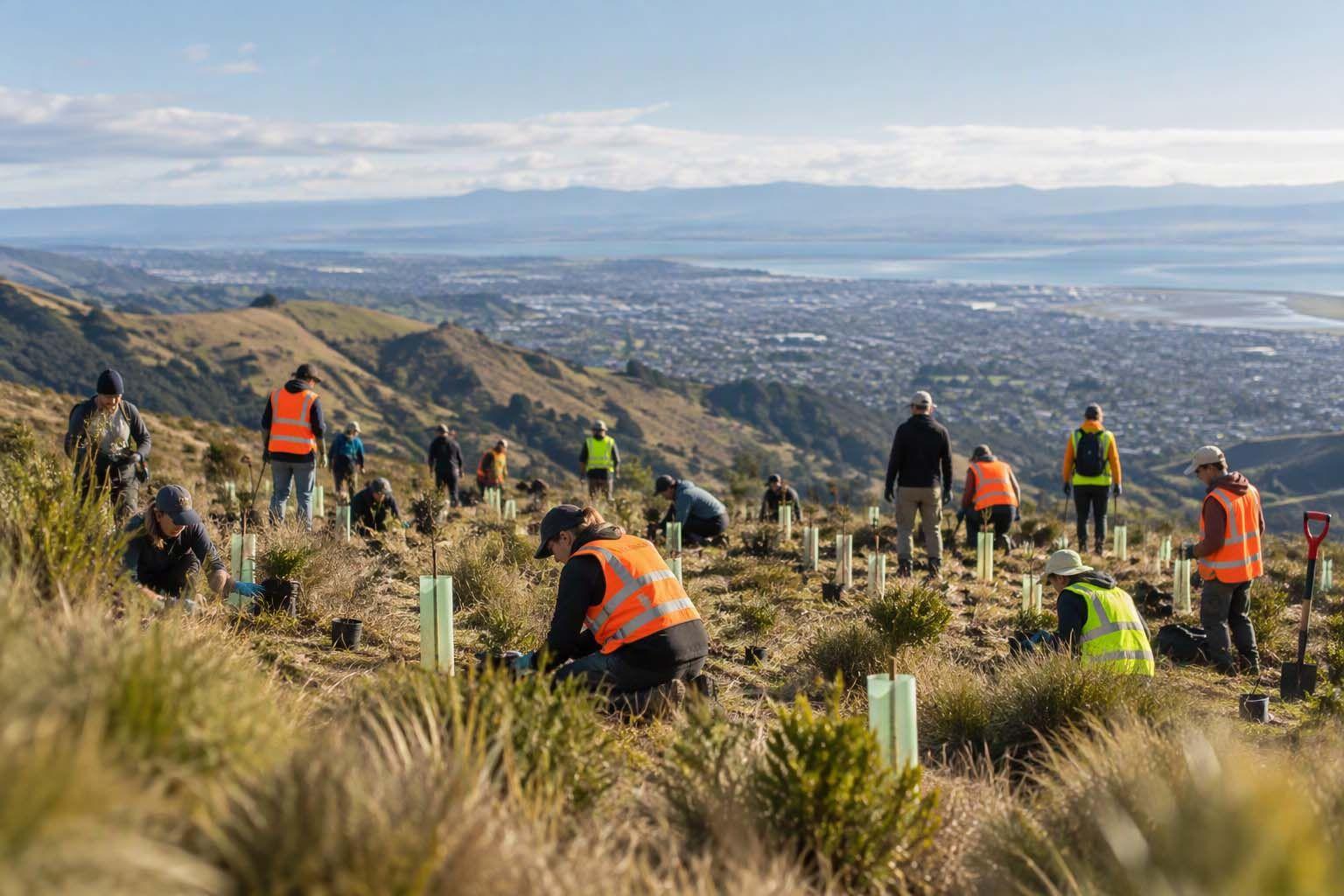
Our environmental responsibility extends across the vehicles we operate, the facilities and resources we use, the suppliers and contractors we work with, and the way our people make day-to-day decisions.
We aim to protect and enhance the environment through considered resource use, responsible operational practices and ongoing improvement. Our approach is supported by environmental policies and processes that are monitored, reviewed and audited within our quality management system.
What guides us
The commitments behind our environmental policy.
Legal and industry compliance
Comply with relevant legislation, standards, codes of practice and recognised industry best practice.
Efficient transport operations
Plan and operate the movement of people and vehicles as efficiently as practical.
Continuous improvement
Review activities, products and services to identify opportunities for better environmental performance.
Shared knowledge
Engage with organisations to improve environmental understanding and identify practical solutions.
People capability
Educate and empower our people to bring environmental thinking and improvements into the workplace.
Reduced vehicle emissions
Work to reduce vehicle emissions and minimise the effect of operations on air quality.
Responsible resource use
Conserve energy and water, reduce waste, use resources wisely and recycle where practical.
Protection of nature
Minimise impacts on land, waterways, plant life, wildlife and natural habitats.

From commitment to everyday practice
Turning the policy into consistent operational decisions.
The Tranzit Group policy sets the direction for environmental responsibility across the business. For Cross Country, the practical focus is on efficient transport operations, well-maintained vehicles, responsible use of resources, effective controls and ongoing review.
- Complying with requirements
We work within relevant environmental legislation, standards, codes of practice and recognised industry good practice. This provides the baseline for decisions, controls and operating procedures. - Moving people efficiently
Efficient movements of people are a core policy commitment. In practice, this means planning work carefully, reducing avoidable travel and idle time, and matching vehicles and schedules to the transport requirement. - Reviewing environmental performance
Activities, products and services are reviewed for improvement opportunities. Operational information, incidents, corrective actions and staff feedback help identify where systems or practices can be strengthened. - Engaging with other organisations
We work with customers, suppliers, contractors and industry participants to improve shared understanding and identify environmental solutions that are practical for the service being delivered. - Building capability in our people
Training and mentoring give our people the knowledge to identify environmental risks, follow controls and contribute practical improvements in the workplace. - Reducing vehicle emissions
We focus on vehicle condition, efficient operation, route planning and informed fleet decisions to help reduce emissions and minimise impacts on air quality. - Conserving resources
Energy, water and materials should be used carefully. Waste should be avoided where practical, with recycling, responsible disposal and reduced water use built into normal operations. - Protecting the natural environment
Work should be planned and controlled to minimise potential harm to land, waterways, plant life, wildlife and natural habitats. - Maintaining controlled systems
Environmental policies and processes are developed, followed, monitored and audited as part of the quality management system so that responsibilities remain active rather than simply documented.
Our systems and processes
Environmental responsibility is built into how we work.
Risk assessment and controls
Environmental risks and hazards are assessed and appropriate controls established before work begins.
Approved purchasing
Efficient movements of people are a core policy commitment. In practice, this means planning work carefully, reducing avoidable travel and idle time, and matching vehicles and schedules to the transport requirement.
Incident management
Environmental incidents and accidents are recorded and investigated to help prevent recurrence.
Hazardous substances
Hazardous substances are managed and controlled, with eco-friendly and biodegradable options used where practical.
Waste management
Practices include recycling, responsible fuel-related waste management and more sustainable office products where practical.
Emergency preparedness
Environmental considerations are included in emergency planning and response.
Controls and accountability
A structured approach to environmental risk and performance.
The policy requires an environmental management system that supports risk assessment, approved purchasing, hazard controls, collaboration, monitoring, training, incident management, responsible materials handling, asset maintenance and emergency preparedness.
- Risk assessments
Environmental risks should be considered before work begins so that foreseeable impacts can be identified and managed. - Approved products
Products used within the supply chain should be approved through the organisation’s purchasing and control processes. - Hazards and controls
Environmental hazards should be identified and suitable controls put in place before work starts. - Business and industry participation
Environmental performance benefits from collaboration across the business and with relevant industry participants. - Monitoring energy and emissions
Energy conservation and emissions-reduction activity should be monitored so that performance and improvement opportunities can be understood. - Preventative action
Controls should aim to prevent damage to land, waterways, plant life, wildlife and natural habitats rather than relying only on response after an event. - Training and mentoring
People should receive appropriate support to understand environmental expectations and improve performance. - Incident and accident investigation
Environmental incidents and accidents should be recorded and investigated to identify causes and prevent recurrence. - Corrective action and review
Corrective actions should be reviewed for effectiveness, with lessons carried into continuous improvement. - Hazardous substances and materials
Hazardous substances and materials should be managed and controlled, with eco-friendly or biodegradable options used where practical. - Recycling and waste controls
Recycling stations, fuel-waste management and more sustainable office products form part of the policy’s operational approach. - Asset maintenance
Machinery, plant, vehicles and safety equipment should be managed and maintained to support reliable, controlled operation. - Emergency preparedness
Environmental risks and response requirements should be considered in emergency preparedness planning. - Suppliers and subcontractors
Suppliers and subcontractors should be managed within the environmental system so expectations extend beyond directly controlled operations.
Transport efficiency
Improving visibility and reducing operational impact.
Vehicles are central to our business, so fleet efficiency, maintenance, routing and driver behaviour are important parts of our environmental approach.
- Vehicle emissions
We work to reduce vehicle emissions and minimise impacts on air quality. - Fit-for-purpose technology
We progressively consider hybrid, electric and lower-emission vehicle technologies where practical and reliable for the work required. - Telematics and reporting
EROAD telematics can provide fuel-use, kilometre and emissions information to support reporting and fleet decisions. - Route and utilisation planning
Efficient routing and better utilisation can reduce unnecessary travel. - Preventative maintenance
Proactive servicing helps vehicles operate reliably and efficiently. - Driver efficiency
Driver education can support safer operation and reduced fuel use.
Using resources wisely
Reducing waste and avoiding unnecessary consumption.
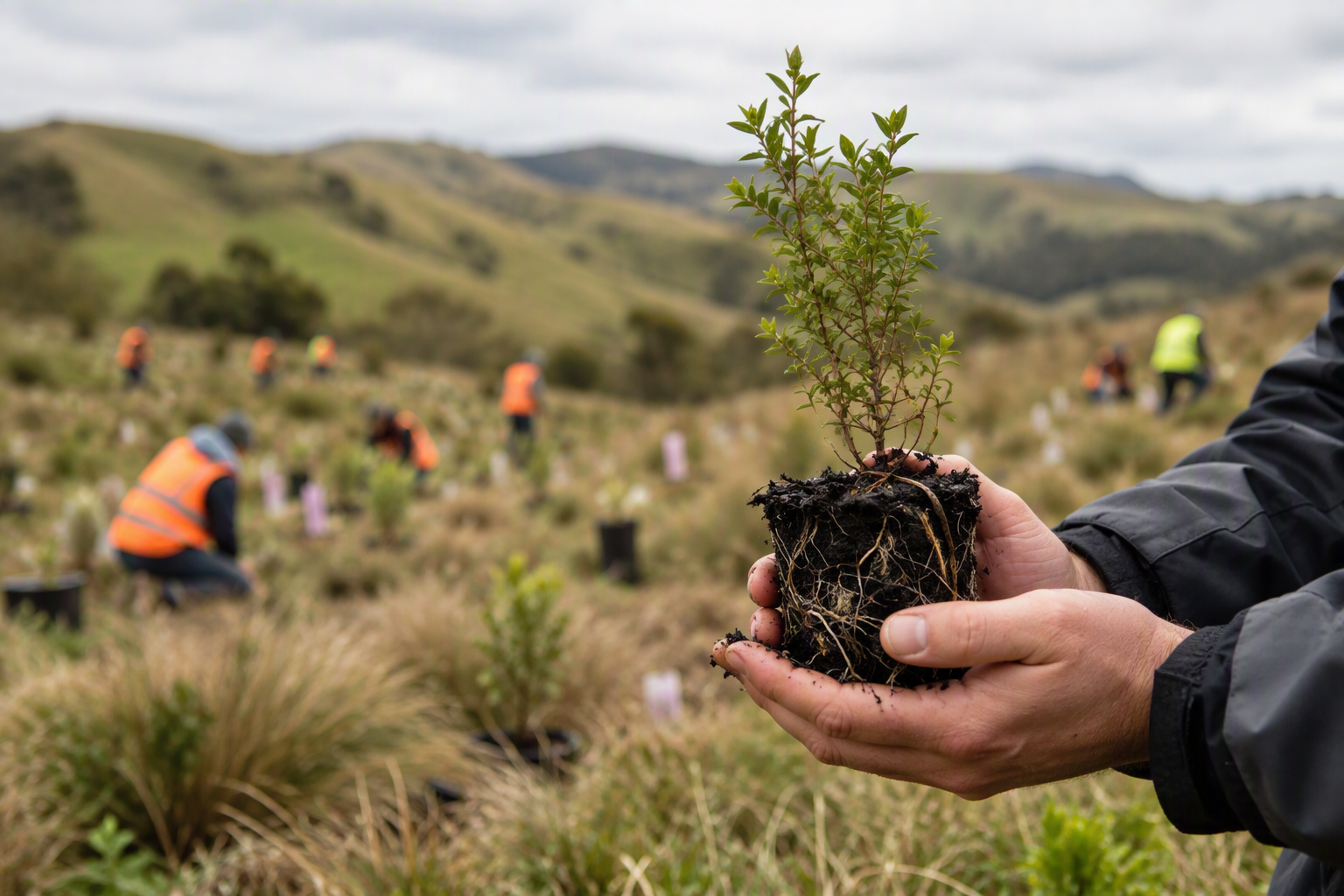
We aim to conserve energy and water, prevent avoidable waste and use resources responsibly across branches, offices, workshops and vehicle operations.
- Energy conservation
Reduce unnecessary energy use across facilities and operations. - Water use
Use water responsibly and reduce or recycle water where practical. - Waste reduction
Reduce avoidable waste and support appropriate separation, recycling and disposal. - Fuel and workshop waste
Manage fuels, oils and operational materials through suitable storage, handling and waste processes. - Equipment care
Maintain vehicles, machinery and equipment to extend useful life and avoid preventable waste.
Working beyond our own operations
Encouraging a more responsible supply chain.
Our environmental impact is influenced by the products and services we purchase as well as our own activities. We work with approved suppliers and contractors and aim to encourage responsible environmental practices throughout our supply chain.
Approved suppliers
Use approved products and suppliers.
Shared expectations
Communicate applicable environmental expectations.
Performance review
Manage and review supplier and subcontractor performance.
Collaboration
Work together on practical environmental improvements.
Everyone has a role
Environmental performance improves through everyday decisions.
Our people are encouraged to identify risks, use resources responsibly, follow environmental controls and raise opportunities for improvement.
- Follow procedures
Use the environmental controls and work practices relevant to the task and location. - Report incidents and hazards
Raise spills, environmental hazards, near misses and incidents promptly. - Reduce unnecessary use
Avoid unnecessary fuel, energy, water, paper and material consumption where practical. - Suggest improvements
Share practical ideas that improve efficiency, reduce waste or protect the environment.
Tracking progress
Review, learn and improve.
We develop, monitor, follow and audit environmental policies and processes as part of our quality management approach. Performance information, incidents, risk assessments, corrective actions and operational data help identify priorities and opportunities for improvement.
Supporting customer reporting
Making fleet emissions information more useful and transparent.
Cross Country is developing customer-facing emissions reporting through TradeConnect. The intended capability uses completed booking information, including kilometres travelled and vehicle category, to calculate estimated CO2e emissions using a retained configurable value.
- Estimated reporting
Estimated CO2e reporting for completed bookings. - Customer visibility
Visibility of offset and non-offset bookings where available. - Downloadable reports
Filtering and branded PDF reporting for business customers.
Important note
Reporting must be described as estimated and methodology-based. Environmental outcomes must not be presented as verified without an approved process and evidence.
Relationship to Tiaki
The Tiaki Promise is presented as an additional public commitment that complements the environmental policy. It does not replace or amend the controlled Tranzit Group policy.
Relationship to Tranzit Group initiatives
References to lower-emission transport, fleet technology, electrification or customer emissions reporting should be presented as supporting initiatives only where they are current and evidenced. They should not be written as formal policy requirements unless they appear in the controlled policy.
Policy management
A controlled policy supported by business processes.
This website page provides an accessible summary. The downloadable approved policy remains the controlled source for formal policy wording, approval and review information.
FAQ
To protect the environment for future generations and continually minimise the environmental impact of operations.
Compliance, efficient operations, emissions, energy, water, waste, natural habitats, environmental risk, hazardous substances, training, suppliers and continuous improvement.
Through risk assessments, controls, incident investigation, corrective actions, training and review.
Through emissions reduction, efficient vehicle use, maintenance, route planning, monitoring and driver education.
Cross Country progressively introduces hybrid vehicles where practical and fit for purpose, while evaluating electric and other lower-emission technologies.
Through waste reduction, recycling, fuel-related waste controls, sustainable products where practical and controlled handling of hazardous substances.
Cross Country is developing TradeConnect functionality for estimated emissions reporting based on completed booking information. Availability and methodology should be confirmed within the customer platform.
Use the Download Environmental Policy button to access the current approved Cross Country Environmental Policy PDF.